
Solar Panel Cost Australia 2026: Real Prices After Incentives
Discover the real solar panel cost Australia 2026 after the STC incentive. Compare installed prices for 6.6kW, 10kW systems plus state incentives in NSW, VIC, QLD and SA.
6/20/20264 min read
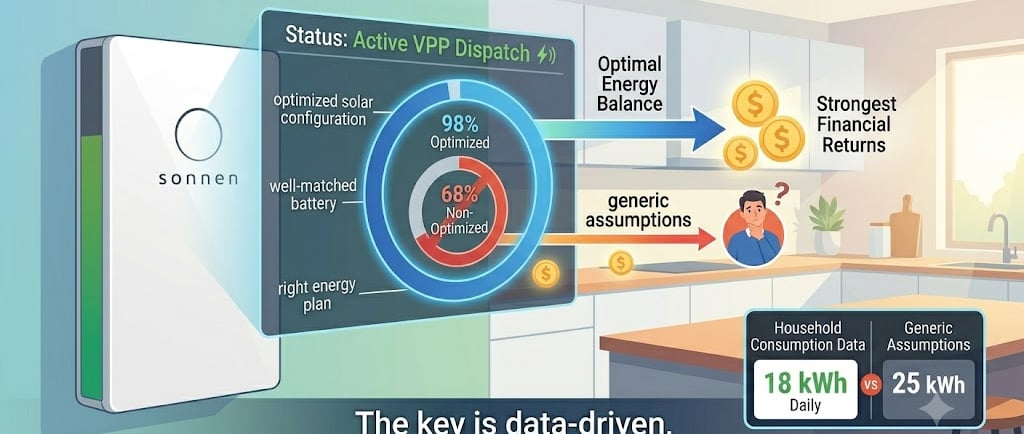
Ask most Australian homeowners what they think solar panels cost and you will hear the same answer: expensive. Ask them how much they cost after the government incentive and the number often changes their mind entirely. The gap between the sticker price and what you actually pay in 2026 is significant, and understanding it properly is the most useful thing you can do before requesting a single quote.
How much do solar panels cost in Australia in 2026?
The installed cost of a residential solar system in Australia in 2026 varies by system size, panel brand, inverter quality, and installation complexity. As a general guide based on current market data, a 6.6kW system, which is the most common size for Australian family homes, costs between $5,500 and $9,000 fully installed after the federal Small-scale Technology Certificate (STC) incentive has been applied. A 10kW system runs from approximately $8,000 to $14,000 installed, and a 13kW system from around $10,000 to $18,000.
These figures reflect typical residential installations on standard single-storey roofs in metropolitan areas. Multi-storey homes, steep pitches, or heritage properties can add to the cost, as can installations requiring additional electrical upgrades.
What is the STC incentive and how does it reduce your cost?
The Small-scale Technology Certificate (STC) programme is Australia's primary federal solar incentive mechanism, and it applies to all eligible residential solar installations. STCs are generated based on your system's size and your location's solar zone, and they are surrendered to your installer at the point of sale in exchange for an upfront discount on your system cost. You do not need to apply for or claim the STC incentive separately; your installer does it on your behalf.
In 2026, the STC value is determined by the current spot price of certificates trading on the market, which has been tracking near $39 to $40 per certificate through the first half of 2026. The number of STCs your system generates depends on its capacity and your location: a 6.6kW system in Sydney generates approximately 100 STCs, translating to an incentive worth around $3,900 to $4,000. A 10kW system in the same location generates around 153 STCs, worth approximately $5,900 to $6,100.
Importantly, the STC scheme steps down by one year's worth of certificates each January. In 2026, systems generate 14 years of forward certificates. By 2030, this will have dropped to 10 years. Waiting to install solar means receiving a smaller incentive over time, which is a genuine cost consideration for homeowners weighing timing.
State and territory solar incentives available in 2026
On top of the federal STC incentive, several states offer additional incentives that can further reduce your upfront outlay.
New South Wales: The NSW Peak Demand Reduction Scheme can provide an additional rebate for systems with battery storage, though eligibility requirements apply. Confirm current details before signing any agreement.
Victoria: The Solar Homes Programme provides rebates of up to $1,400 for eligible households installing solar panels for the first time. Income and ownership requirements apply, and the programme operates in rounds, so availability can vary. An interest-free loan of up to $1,400 is also available.
Queensland: No dedicated state solar rebate currently applies in Queensland, with the federal STC programme serving as the primary support mechanism. However, some local councils and distribution networks have run their own incentive programmes, worth checking locally.
South Australia: The federal STC programme applies, and SA households with batteries may also benefit from the Home Battery Scheme for storage additions, depending on current programme availability and eligibility.
Western Australia: A solar rebate equivalent to the STC value applies through Synergy for eligible customers in the South West Interconnected System area.
How to compare solar quotes accurately
Getting three quotes is standard advice, but only useful if you are comparing the same things. When reviewing quotes, check the panel brand and model and their efficiency rating and warranty terms. Check the inverter brand separately, as the inverter is the component most likely to need replacement within the system's lifetime. Check the warranty on installation workmanship, which should be at least five years from a reputable installer.
A cheap quote that installs lower-efficiency panels and a less reliable inverter can cost more over a ten-year period than a mid-range quote using tier-one equipment. The upfront price is only one variable in the total cost of ownership calculation.
What Blooming Rays customers pay for solar in 2026
Blooming Rays works with Australian homeowners across New South Wales and surrounding regions to match systems to household needs and budget. Our quotes include all STC incentives applied upfront, a transparent equipment breakdown showing exactly what you are receiving, and access to multiple panel and inverter brands across different price tiers. This allows genuine comparison rather than a take-it-or-leave-it single-brand offer.
Getting clarity on what you will actually pay is straightforward. A site assessment, your recent electricity bills, and your state confirm which system size is right for your home. From there, the real numbers, after every applicable rebate, are what we present.
Frequently asked questions
How much does a 6.6kW solar system cost in Australia after the incentive in 2026?
A 6.6kW solar system installed in Australia in 2026 typically costs between $5,500 and $9,000 after the federal STC incentive has been applied. The final price depends on panel brand, inverter choice, and installation complexity.
Is the STC incentive applied automatically?
Yes. Your accredited solar installer applies the STC incentive at the point of sale, reducing your invoice by the incentive value. You do not need to apply separately or wait for a reimbursement.
Does the solar incentive reduce each year?
Yes. The STC scheme steps down by one year's worth of certificates each January until it phases out in 2030. A system installed in 2026 generates more incentive value than the same system installed in 2027 or 2028.
Are there income limits for the federal solar incentive?
No. The federal STC incentive has no income test. Any Australian homeowner installing an eligible solar system through an accredited installer can access it.
What is the cheapest state to install solar in Australia?
System pricing is relatively consistent nationally, with the main variable being state incentives rather than labour or panel costs. Victoria's Solar Homes rebate makes it one of the more attractive states for eligible households, while the NT and ACT also offer additional incentives that can meaningfully reduce net costs.
Contact Us
Sitemap
RayCheck
Contact Us
© 2026. All rights reserved.


Suite 26/208, Level 2, 29 Main St., Rouse Hill NSW 2155
Suite 1208/530, Collins St., Melbourne, VIC 3000